Get in touch
Get the latest on the Trump T1 smartphone. Explore the $100 deposit controversy, T1 Mobile service plans, updated specs, and the "Made in USA" manufacturing claims.
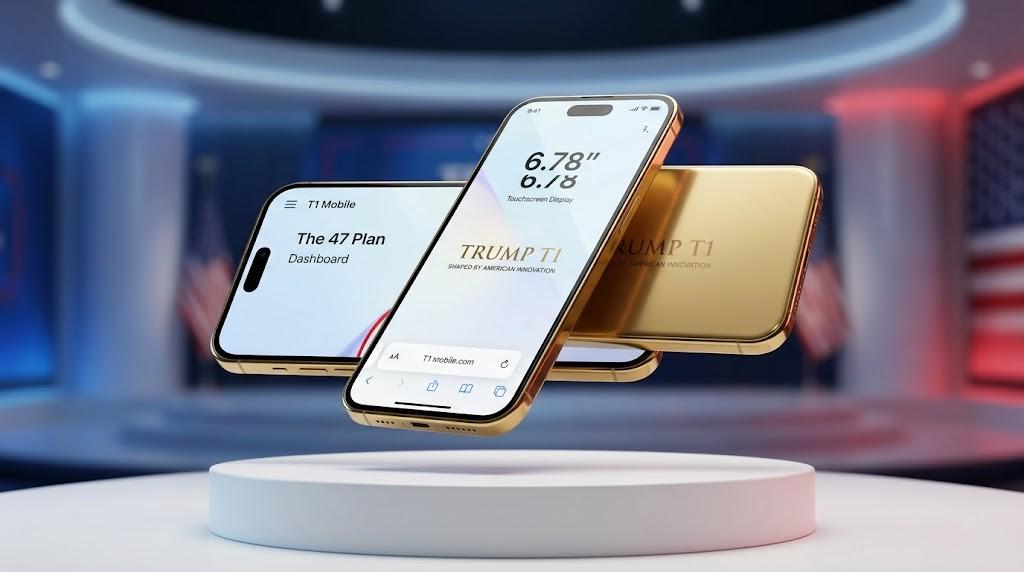
Since pre-orders opened in June 2025, an estimated 590,000 people have paid a $100 deposit to reserve the T1 Phone. This has provided Trump Mobile with approximately $59 million in interest-free capital while customers wait for a device that has missed every promised delivery window. Revised terms of service in April 2026 clarified that these deposits do not guarantee a working device but rather a "conditional opportunity" to purchase one if it is eventually manufactured.
While the device has yet to reach customers, technical details have surfaced through executive interviews and FCC filings:
The phone is designed to operate on the "T1 Mobile" network, which markets "The 47 Plan"—a reference to Donald Trump being the 47th President.
Network: Uses infrastructure from all three major cellular carriers to ensure nationwide 5G coverage.
One of the most significant pivots in the T1 saga involves its manufacturing claims. Initially marketed as a "Made in America" device, the language was quietly changed to "shaped by American innovation" or "American-proud" after analysts suggested the hardware is likely a reskinned version of the Chinese-made Wingtech Revvl 7 Pro 5G. Executives later stated that final assembly would take place in Miami, though major components are sourced globally.
A glimmer of progress appeared in early 2026 when the FCC certified a device under the trade name "T1" manufactured by "Smart Gadgets Global". While FCC approval is a necessary step for any mobile device sold in the U.S., the phone still reportedly awaits final certification from network partners like T-Mobile before it can be shipped to consumers.
As of May 2026, the T1 Phone remains "coming soon" with no confirmed ship date. While the project has secured trademark filings and FCC clearance, the lack of hardware in people's hands nearly a year after the original launch date has led to skepticism and calls for investigation by consumer protection groups.
Your email address will not be published. Required fields are marked *